


As a dedicated supplier of ventilation ducts, I've had the privilege of witnessing the diverse range of materials that go into creating these essential components of any ventilation system. Ventilation ducts play a crucial role in maintaining indoor air quality, regulating temperature, and ensuring a comfortable and healthy environment. In this blog post, I'll explore the various materials used to make ventilation ducts, their characteristics, advantages, and disadvantages, and discuss their suitability for different applications.
Galvanized Steel
Galvanized steel is one of the most commonly used materials for ventilation ducts due to its durability, strength, and resistance to corrosion. It is made by coating steel sheets with a layer of zinc, which protects the steel from rust and extends its lifespan. Galvanized steel ducts are lightweight, easy to install, and can be fabricated into various shapes and sizes to meet specific project requirements.
One of the main advantages of galvanized steel ducts is their high strength-to-weight ratio, which allows them to withstand high pressures and temperatures without deforming. They are also fire-resistant, making them a safe choice for commercial and industrial applications. Additionally, galvanized steel ducts are relatively inexpensive compared to other materials, making them a cost-effective option for many projects.
However, galvanized steel ducts do have some limitations. They can be noisy, especially when air flows through them at high velocities. This can be mitigated by using sound-absorbing insulation or lining the ducts with a noise-reducing material. Galvanized steel ducts are also prone to condensation, which can lead to the growth of mold and mildew if not properly addressed. To prevent this, it is important to install insulation on the outside of the ducts to keep them warm and reduce the risk of condensation.
Aluminum
Aluminum is another popular material for ventilation ducts due to its lightweight, corrosion resistance, and ease of fabrication. Aluminum ducts are typically made from aluminum sheets that are welded or sealed together to form a continuous duct system. They are commonly used in residential and commercial applications where weight is a concern, such as in high-rise buildings or on rooftops.
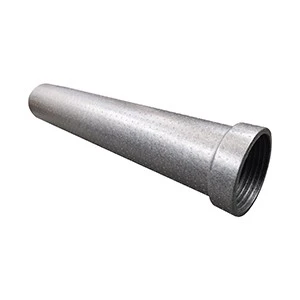

One of the main advantages of aluminum ducts is their low weight, which makes them easy to handle and install. They are also highly resistant to corrosion, even in harsh environments, making them a long-lasting option for ventilation systems. Aluminum ducts are also non-magnetic, which can be beneficial in certain applications where magnetic interference is a concern.
However, aluminum ducts do have some limitations. They are not as strong as galvanized steel ducts and may require additional support or reinforcement in some applications. Aluminum ducts are also more expensive than galvanized steel ducts, which can make them less cost-effective for large projects. Additionally, aluminum ducts can be prone to dents and scratches, which can affect their appearance and performance.
Fiberglass
Fiberglass is a popular material for ventilation ducts due to its excellent insulation properties, fire resistance, and sound absorption capabilities. Fiberglass ducts are typically made from fiberglass insulation that is wrapped around a metal or plastic frame to form a rigid duct system. They are commonly used in residential and commercial applications where energy efficiency and noise reduction are important considerations.
One of the main advantages of fiberglass ducts is their high insulation value, which helps to reduce energy consumption and lower heating and cooling costs. They are also fire-resistant, which makes them a safe choice for ventilation systems. Fiberglass ducts are also effective at absorbing sound, which can help to reduce noise levels in the building.
However, fiberglass ducts do have some limitations. They can be prone to dust and debris accumulation, which can reduce their efficiency and performance over time. Fiberglass ducts are also more expensive than galvanized steel or aluminum ducts, which can make them less cost-effective for some projects. Additionally, fiberglass insulation can be a health hazard if it is not properly installed or maintained, as it can release small fibers into the air that can be inhaled.
Plastic
Plastic is a versatile material that is increasingly being used for ventilation ducts due to its lightweight, corrosion resistance, and ease of installation. Plastic ducts are typically made from PVC (polyvinyl chloride), CPVC (chlorinated polyvinyl chloride), or ABS (acrylonitrile butadiene styrene) plastic, which are all durable and resistant to chemicals and moisture. They are commonly used in residential and commercial applications where cost, ease of installation, and corrosion resistance are important considerations.
One of the main advantages of plastic ducts is their low weight, which makes them easy to handle and install. They are also highly resistant to corrosion, even in harsh environments, making them a long-lasting option for ventilation systems. Plastic ducts are also relatively inexpensive compared to other materials, making them a cost-effective option for many projects. Additionally, plastic ducts can be easily fabricated into various shapes and sizes to meet specific project requirements.
However, plastic ducts do have some limitations. They are not as strong as galvanized steel or aluminum ducts and may require additional support or reinforcement in some applications. Plastic ducts are also more prone to damage from sunlight and high temperatures, which can cause them to become brittle and crack over time. Additionally, plastic ducts can release toxic fumes when exposed to fire, which can be a safety hazard in some applications. Click here to learn more about our Plastic Ventilation Pipe.
Tunnel Duct
Tunnel ducts are a type of ventilation duct that is commonly used in large-scale commercial and industrial applications, such as warehouses, factories, and stadiums. They are typically made from galvanized steel, aluminum, or fiberglass and are designed to be installed in a horizontal or vertical orientation to distribute air throughout the building.
One of the main advantages of tunnel ducts is their large capacity, which allows them to handle high volumes of air and provide efficient ventilation for large spaces. They are also relatively easy to install and can be customized to meet specific project requirements. Tunnel ducts are also effective at reducing energy consumption by minimizing air leakage and improving air distribution.
However, tunnel ducts do have some limitations. They are typically more expensive than other types of ventilation ducts due to their large size and complex design. Tunnel ducts are also more difficult to clean and maintain than other types of ducts, which can increase the risk of dust and debris accumulation and reduce their efficiency over time. Click here to explore our Tunnel Duct options.
EPP Tube
EPP (expanded polypropylene) tubes are a relatively new type of ventilation duct that is gaining popularity in the market due to their lightweight, insulation properties, and environmental friendliness. EPP tubes are made from expanded polypropylene foam, which is a closed-cell foam that is lightweight, durable, and resistant to moisture and chemicals. They are commonly used in residential and commercial applications where energy efficiency and noise reduction are important considerations.
One of the main advantages of EPP tubes is their high insulation value, which helps to reduce energy consumption and lower heating and cooling costs. They are also lightweight, which makes them easy to handle and install. EPP tubes are also effective at absorbing sound, which can help to reduce noise levels in the building. Additionally, EPP tubes are environmentally friendly, as they are made from recycled materials and can be recycled at the end of their lifespan.
However, EPP tubes do have some limitations. They are not as strong as galvanized steel or aluminum ducts and may require additional support or reinforcement in some applications. EPP tubes are also more expensive than other types of ventilation ducts, which can make them less cost-effective for some projects. Click here to discover our EPP Tube products.
Conclusion
In conclusion, there are several materials available for making ventilation ducts, each with its own unique characteristics, advantages, and disadvantages. The choice of material depends on various factors, such as the application, budget, environmental conditions, and performance requirements. As a ventilation duct supplier, I can help you select the most suitable material for your project based on your specific needs and preferences.
If you are interested in learning more about our ventilation duct products or would like to discuss your project requirements, please feel free to contact us. Our team of experts is available to answer your questions and provide you with a customized solution that meets your needs and budget. We look forward to working with you to create a comfortable and healthy indoor environment.


